The Fifteen-Minute Appointment: Preparing a CBD Conversation With Your GP in 2026
Why this conversation is worth having
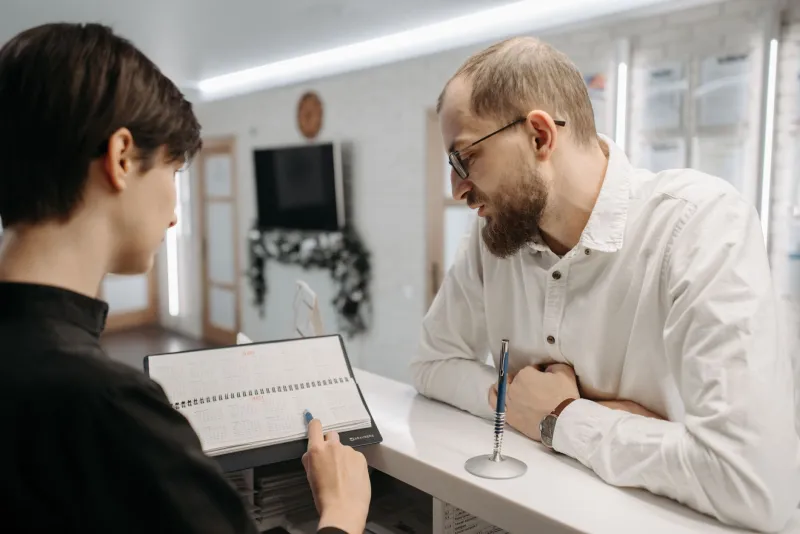
A ten-minute appointment is a poor setting for improvisation. Yet CBD is frequently raised late in a consultation, often as an aside, and often without the specifics a clinician would need to give a useful answer. The result is an exchange that satisfies neither party.
The purpose of preparing is not to secure a prescription. Over-the-counter CBD sold in the UK sits within the food supplement framework, not the medicines framework, and the licensed cannabis-based medicinal products available through the NHS are confined to a small number of defined indications and are initiated by specialist clinicians rather than in general practice. What a GP or pharmacist can realistically offer is something more modest and more valuable: a check against your existing medicines, a view on whether your symptoms need investigating, and a record that you are using it.
That is a reasonable thing to ask for, and it is much easier to obtain if you arrive organised. Nothing below constitutes medical advice; it is a preparation aid.
Be precise about what you are taking
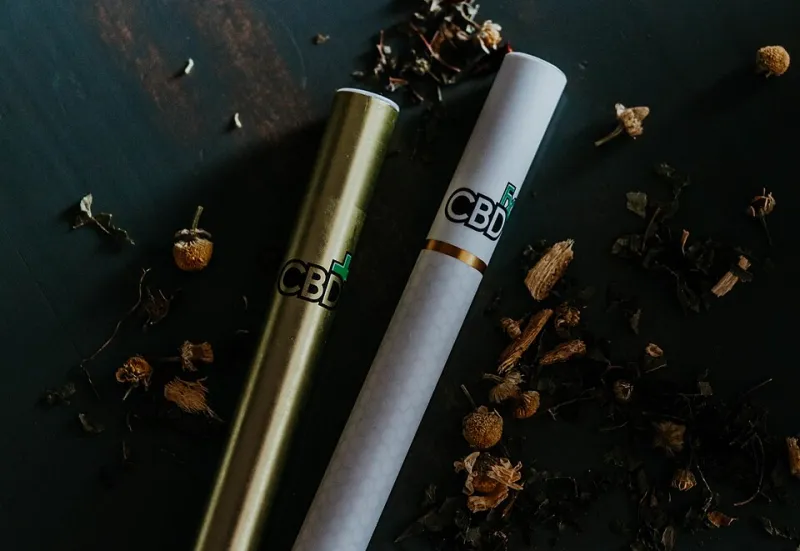
Patients often describe their product by brand colour or by the word on the front of the bottle. Clinicians need the numbers. Before the appointment, write down:
- the product name, format and batch number as printed on the packaging;
- the stated CBD content per millilitre, per capsule or per spray, and the serving size the label recommends;
- your actual daily intake in milligrams, calculated rather than estimated;
- any additional cannabinoids or botanicals listed, particularly if the product is a blended oil;
- where it was bought and roughly what it costs per month.
Cost is not a frivolous detail. If a regimen is unaffordable it will be abandoned, and a clinician reviewing your notes in six months should know whether adherence was ever realistic.
If you use more than one product, total the cannabinoid content. Two modest products used together may add up to a daily intake that surprises both of you.
Bring the whole medicines list, not the edited version
A CBD conversation is only as good as the medication history behind it. Include prescribed medicines with doses and times, over-the-counter analgesics, inhalers, contraceptive or hormone therapy, and any supplements, including herbal ones. Mention alcohol honestly, and mention any recreational drug use if it is relevant to your symptoms.
CBD is not inert. It competes for some of the same liver enzymes that process common medicines, and the interaction questions are legitimate ones to raise. Rather than asking a general question about safety, ask specifically: is there anything on my list that CBD could plausibly affect, and would you want to monitor anything as a result?
Questions that tend to produce useful answers
- Does this interact with any of my current medicines, and at what dose would that become a concern?
- Would you want baseline blood tests, and if so, what should we be watching?
- Are there symptoms that should make me stop immediately rather than reduce the dose?
- Could anything I am already taking be causing the problem I am trying to treat with CBD?
- Does this symptom need investigating before I continue self-managing it?
- If I decide to stop, should I taper or can I stop abruptly?
These are answerable questions. Questions of the form "is CBD safe?" tend to be met with a shrug, because the honest answer depends entirely on the person asking.
Where self-treatment should stop
There are circumstances in which CBD should not be part of a self-directed plan at all. These include pregnancy and breastfeeding, use in anyone under eighteen, and any attempt to manage epilepsy, psychosis or severe mental illness without specialist oversight. The same applies to using CBD as a substitute for a prescribed medicine, or to escalating beyond the labelled serving in the hope of a stronger effect.
If your reason for using CBD is a condition that has never been formally assessed, the appointment should be about the assessment first. Self-treatment layered on top of an undiagnosed problem obscures the picture.
Red flags that warrant contact rather than a dose adjustment
Seek advice promptly if you develop palpitations, chest pain, fainting or unusual dizziness; new or worsening low mood, anxiety or thoughts of self-harm; jaundice, persistent vomiting or unexplained bruising; or drowsiness that affects your ability to drive or work. Any new seizure activity, or a marked change in an existing condition, should be reported rather than managed by adjusting the bottle.
Keep a record that means something
A simple log is enough: date started, dose, timing, what you hoped to change, and a weekly note on whether it changed. For sleep, a two-line diary beats a vague recollection. For pain or anxiety, a simple nought-to-ten score recorded at the same time each day is adequate.
Keep the packaging until the batch is finished, retain the receipt if you bought online, and note the batch number in your log. If a product is later withdrawn or a query arises about its contents, that record is the difference between a useful conversation and a speculative one.
A short script for the opening line
"I am using an over-the-counter CBD oil — this brand, this strength, this much per day — and I would like you to check it against my current medicines and note it in my record. I am using it for this symptom, and this is how I am measuring whether it helps."
That sentence does most of the work. It signals that you are not asking the GP to endorse a product, only to apply clinical judgement to a fact of your regimen — which is exactly what the appointment is for.
Boundaries worth respecting
A GP who declines to recommend a specific brand is not being obstructive; they are observing the boundary between food supplements and medicines. Equally, a patient who declines to stop a prescribed medicine in favour of CBD is making a decision worth revisiting with the prescriber. The consultation works best when both sides stay inside those lines.