The Recovery Rack: CBD, Training Load and Anti-Doping Discipline for UK Athletes in 2026
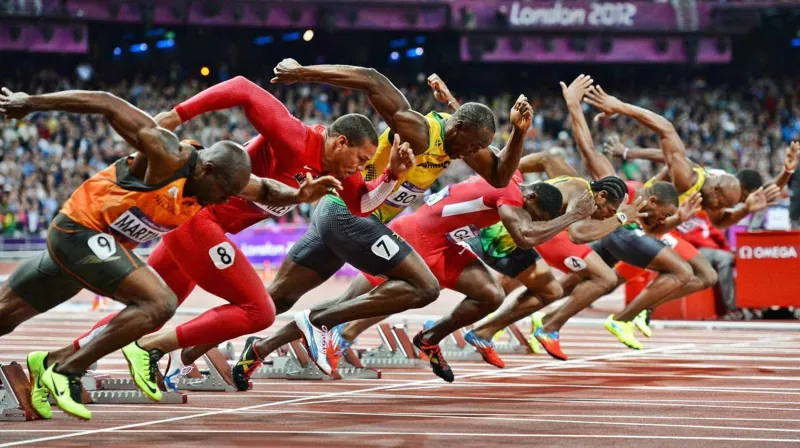
Photo: athlete gym bag CBD oil sport recovery UK clinical, via wallpapers.com
CBD has become a familiar sight in the British gym bag. It appears in oils, capsules, balms and post-training drinks, often placed beside protein powder and foam rollers as if its role were already settled. For the recreational gym-goer and the amateur athlete, the appeal is understandable: training hurts, sleep can be elusive, and stress often travels with a busy week. The clinical question is not whether CBD is popular, but whether it does what the packaging implies — and whether it is safe in a sporting context where anti-doping rules apply.
In 2026, the sensible position remains cautious. CBD is not a medicine for muscle repair, and it is not a legal shortcut around recovery. It may have a modest place beside good training practice, but only when the product is understood, the dose is stable and the anti-doping risk has been considered properly.
What Recovery Claims Actually Cover
Recovery is a broad word. It can mean reduced delayed-onset muscle soreness, improved sleep after evening training, lower perceived stress, or simply a pleasant post-session ritual. CBD products often blur these together.
The evidence for CBD in exercise recovery is limited. Reviews of cannabinoids and sport have tended to include small studies, varied products and inconsistent doses. Some research has looked at pain and inflammation, but the results are not strong enough to support a general claim that CBD speeds muscle repair or improves performance. For most gym-goers, the more plausible targets are sleep and perceived stress — areas where CBD has been studied, though still with modest and mixed findings.
That distinction matters. If the goal is to manage soreness, load management, protein intake, hydration and sleep are the first-line tools. CBD should not displace them. If the goal is to wind down after a late session, a consistent routine matters more than a large dose.
The Anti-Doping Question: CBD Is Not the Same as THC
For anyone subject to UK Anti-Doping rules, the key issue is not CBD itself. Under the World Anti-Doping Agency framework, CBD is not prohibited. THC, the principal psychoactive cannabinoid, is prohibited in-competition. UK Anti-Doping applies the same broad approach, and athletes are responsible for what enters their system.
The practical risk is contamination. CBD products derived from hemp can contain trace THC, and label accuracy is not guaranteed across the market. A product described as CBD-only may still carry a small amount of THC, particularly if it is a full-spectrum extract. Repeated use, higher doses or a product with poor batch control could, in theory, create a risk for a tested athlete.
This does not mean every CBD product is unsafe. It means athletes should treat labels as claims to be verified, not guarantees. A batch-specific certificate of analysis, a clear THC statement and a reputable UK supplier are more useful than a dramatic recovery promise. Anyone who is tested should discuss products with their national governing body or UK Anti-Doping before use, especially in the run-up to competition.
Topicals deserve a separate note. A balm applied to intact skin is unlikely to produce meaningful systemic exposure, but broken skin, generous application and heated environments can change that picture. The cautious approach is to avoid anything new before an event and to keep anti-doping queries specific to the product, the route and the timing.
Matching the Format to the Training Week
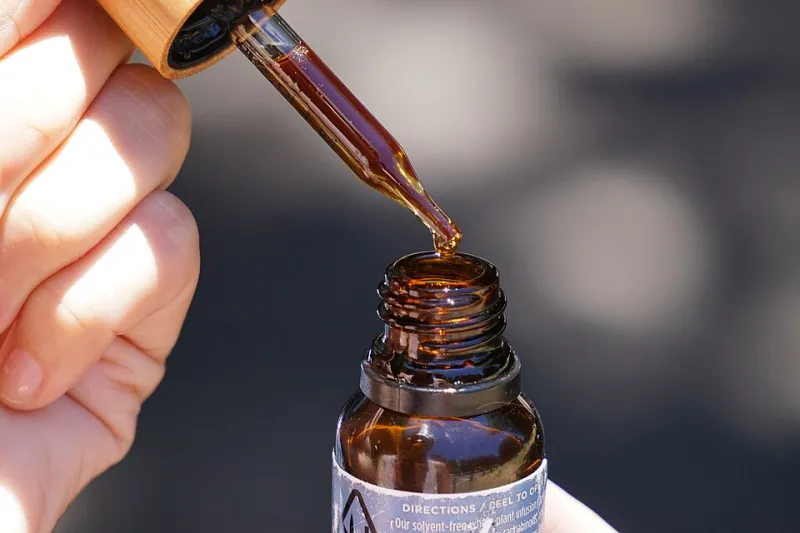
Format choice should follow the training context rather than the marketing. Oils allow flexible dosing and are usually taken sublingually, but absorption varies and the taste does not suit everyone. Capsules offer a more standardised amount per serving and are convenient for travel, though onset is slower. Topicals are best understood as a local massage ritual rather than a systemic treatment; they may suit post-session use on intact skin, but they should not be applied to irritated or broken skin.
Gummies are popular, but they can complicate dose control and often carry sugar or flavourings that sit awkwardly beside a training diet. Vaping CBD is not a route this clinic would recommend. For most amateur athletes, the simplest plan is a single well-characterised product, used at a stable dose, recorded alongside training and sleep.
Sleep, Stress and the Training Week
Sleep is the recovery tool with the strongest evidence base. CBD may help some people feel calmer before bed, but it is not a sedative and should not be used to prop up chronically poor sleep. Late caffeine, alcohol, a bright screen and an irregular schedule will usually matter more than any cannabinoid.
Stress around training can also be practical: a heavy week at work, a race on the horizon, or a return from injury. CBD may be considered as part of a wind-down routine, but it should not become a way to mask persistent anxiety or pain. If sleep or mood problems continue for more than a few weeks, the clinical route is a GP conversation, not another bottle.
A Clinical Checklist for the Gym Bag
- Check the batch certificate and look for a clear THC statement.
- Prefer a product with consistent dosing and a reputable UK retailer.
- Keep the dose stable; do not increase it because recovery feels slow.
- Record training load, sleep and soreness so you can judge whether it helps.
- Avoid introducing a new CBD product close to a competition or event.
- Check with UK Anti-Doping and your governing body if you are subject to testing.
- Use topicals only on intact skin and keep them away from the eyes and broken skin.
- Do not use CBD as a substitute for medical assessment of persistent pain, anxiety or sleep problems.
What to Tell a Coach or GP
Be specific. Name the product, the amount, the route and the timing. Bring the batch certificate if you have one. Distinguish between a food supplement and a medicine; CBD products sold in the UK are not licensed medicines for recovery, and they should not be presented as treatment. A coach can help with training load; a GP can help with symptoms that are not settling. Neither should be asked to endorse a product on the strength of a label alone.
The gym bag can hold CBD without making it the centre of recovery. For UK athletes in 2026, the clinical-minded approach is unglamorous: manage load, protect sleep, verify the product and respect the testing rules. CBD may sit beside that routine, but it should never replace it.