Cool, Dark and Accountable: A 2026 UK Storage Audit for CBD Oils, Capsules and Topicals

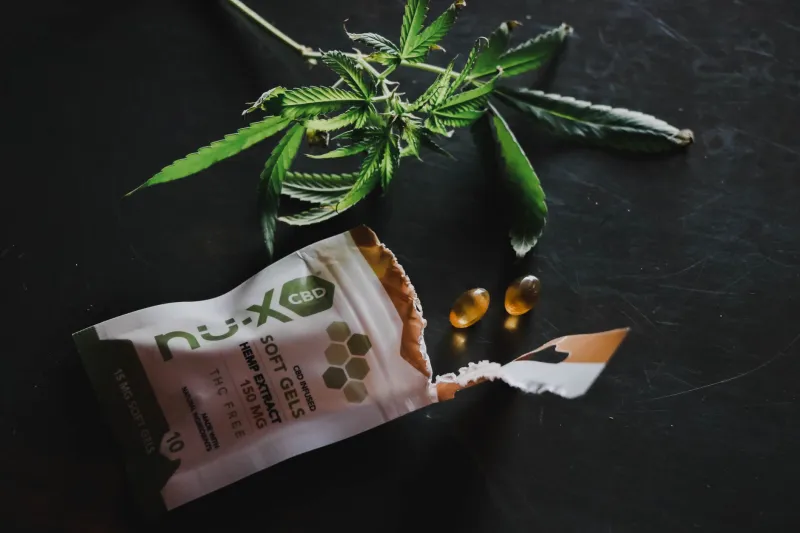
Photo: amber glass CBD oil bottle stored in dark wooden cupboard with capsules and topical cream, UK home, via scientifictimes.org
Storage Is Part of the Dose Conversation
In UK CBD guidance, most attention falls on the label: cannabinoid content, carrier oil, batch number, novel food status and, where relevant, the advice to discuss use with a clinician. Storage receives far less scrutiny. That is a gap. A product kept on a sunny kitchen windowsill or in a steamy bathroom is not the same product that left the manufacturer. The best-before date is a useful marker of intended shelf life, but it is not a guarantee that potency, consistency or sensory quality remain unchanged in every home.
For a clinical-minded audience, storage belongs in the same responsible-use conversation as dose recording and medicine interactions. It is not about chasing a precise milligram figure from a bottle. It is about reducing avoidable variables so that a person can make a more informed judgment about what they are using.
The Four Household Stressors
CBD oils, capsules and topicals are exposed to four main pressures in the home: light, heat, oxygen and humidity. None is exotic. A south-facing windowsill, a radiator, a bathroom shelf and a loosely closed cap are ordinary features of UK homes. Together they can encourage oxidation, separation, microbial contamination in water-containing formulations, or simple loss of product quality.
Manufacturers usually design packaging to limit these effects. Dark glass or opaque bottles reduce light exposure. Blister packs and sealed tubs limit oxygen and moisture. Pump dispensers reduce contact with fingers. These choices matter, but they only work if the product is stored sensibly after opening.
Oils: Keep It Simple and Upright
CBD oils are commonly supplied in amber or dark glass bottles with a dropper. The priority is a cool, dry, dark place with a stable temperature. A closed cupboard away from the oven, kettle and radiator is usually more appropriate than a kitchen worktop. The bathroom is rarely ideal because of steam and temperature swings.
Refrigeration is sometimes suggested, but it is not automatically better. Repeated warming and cooling can encourage condensation, and a cold, sticky oil may be harder to measure accurately. If a label specifically recommends refrigeration, follow it. Otherwise, a cool cupboard is often the more practical choice.
Keep the bottle upright and the cap clean and fully closed. Avoid decanting oil into an unlabelled container; this loses batch information and increases the risk of confusion. If a person records dose, they should also note the batch and the date the bottle was opened. That record is more useful than an approximate memory of when it was purchased.
Capsules: Protect the Blister or Original Container
Capsules are less exposed than oils when kept in their original blister or sealed container, but they are not immune. Heat can make capsules sticky or soften them. Humidity can affect the shell and, in some formulations, the contents. A bathroom cabinet is therefore a poor default location.
Where capsules are supplied in a bottle, keep the desiccant sachet in place unless the label says otherwise, and close the lid promptly. Transferring capsules into a weekly pill organiser may be convenient, but it removes them from protective packaging and makes batch details harder to trace. If a person needs a pill organiser for routine reasons, it should be kept closed, dry and away from heat, and only a short supply should be transferred at a time.
Discoloration, stickiness, an unusual smell or a damaged capsule shell are reasons to stop and check with the supplier rather than assume the product is still suitable.
Topicals: Watch the Formulation and the Container
CBD topicals vary widely. Ointments and balms are typically anhydrous, while creams and lotions may contain water. Water-containing products require preservative systems and are more vulnerable to contamination if fingers are used. A pump or tube is generally easier to keep clean than a wide-mouth tub.
Store topicals in a cool, dry place and avoid leaving them in a car, near a radiator or on a sunny shelf. Some balms may stiffen in the cold; that is not necessarily a fault, but repeated temperature cycling is best avoided. Signs of concern include separation, a change in texture, an off odour, mould or a change in colour beyond normal batch variation. If the product has been contaminated with water or fingers, do not continue to use it.
Reading Best-Before Dates Without Assuming Potency
A best-before date usually reflects the period within which the manufacturer expects an unopened product, stored as directed, to remain within its intended specification. It is not a promise that the cannabinoid content will be identical on every day of that period, nor that an opened product will behave in the same way. Storage conditions, frequency of opening and contamination all affect the trajectory.
This matters because consumers sometimes treat a date as a licence to increase the amount used if effects feel weaker. That is a poor strategy. A product may have degraded, the formulation may have changed, or the person's response may differ for unrelated reasons. The safer response is to check the batch, storage history and label advice, and to seek guidance rather than escalate dose unsupported.
A Simple Home Audit
Once a season, review CBD products as a household would review a medicine drawer. Check:
- Is the product in its original, labelled container?
- Is the cap or pump clean and fully closed?
- Is it stored away from light, heat and steam?
- Has it been opened for longer than the label advises?
- Are there visible or sensory signs of degradation?
- Is the batch number still legible?
A short written record can be enough: product type, batch, date opened, storage location and any concerns. This is not bureaucracy. It is the same principle as recording dose: reduce guesswork.
Disposal and Household Safety
Do not pour unused oil down the sink or flush it. Keep products out of reach of children and pets, and dispose of them according to local council guidance. If a product is a prescribed medicine, a pharmacy take-back scheme may be appropriate; CBD products that are not medicines should not be assumed to follow the same route. When in doubt, ask the supplier or local authority. Unlabelled oils and damaged containers should be secured until disposal.
The Unglamorous Part of Responsible Use
Storage will never be the most discussed aspect of CBD. It is, however, one of the easiest to control. A cool, dark cupboard, an original container, a closed cap and a note of the opening date do more for consistency than many elaborate routines. In 2026, UK consumers are rightly asking harder questions about labels and claims. The same scrutiny should apply to the shelf, the bathroom cabinet and the windowsill.