Across the Border With a Bottle: A Measured 2026 Guide to Travelling With CBD
CBD is often discussed as if it were a single, standardised substance with a single set of rules. In practice, the traveller is dealing with several different things: a food supplement sold on the UK high street, a cosmetic or topical preparation, a prescription cannabis-based medicine, or a product whose label makes claims that its evidence cannot support. The legal and practical position changes with the product, the destination and the reason for carrying it. A calm decision therefore begins before packing, with the label and the paperwork rather than the airport queue.
Begin with the label, not the luggage
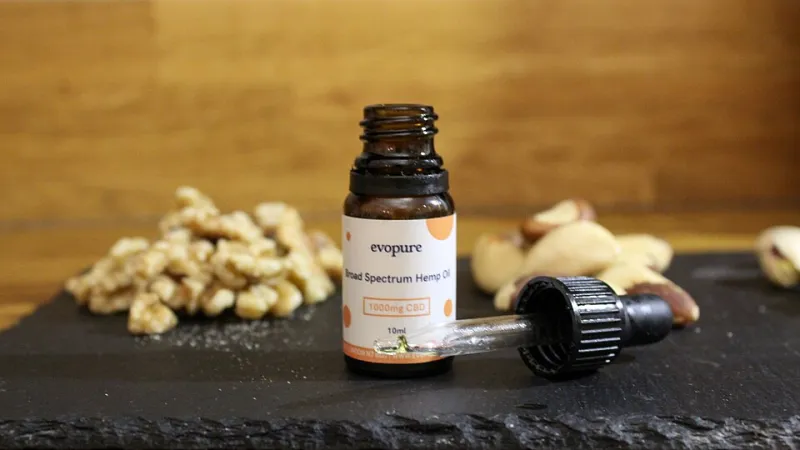
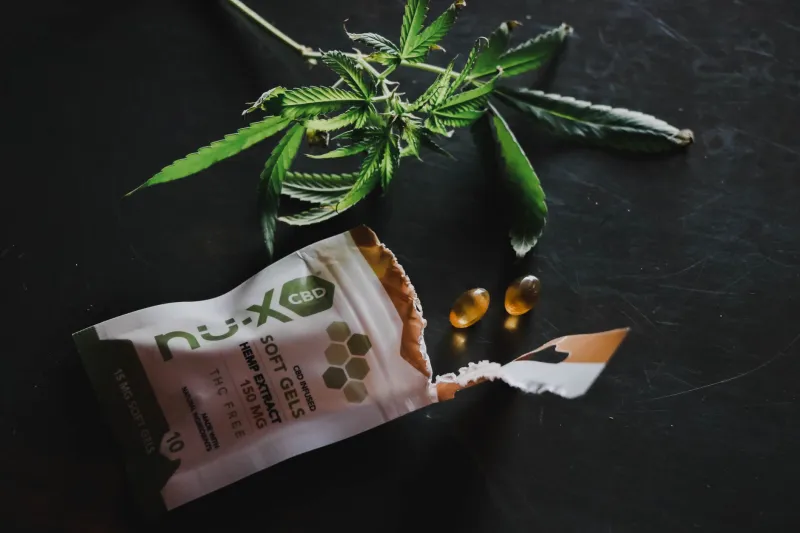
For UK readers, the first distinction is between over-the-counter CBD and cannabis-based medicines. Most CBD oils, capsules and gummies are sold as food supplements or consumer products, not as medicines. They are not licensed treatments for a named condition, and a retailer should not present them as though they were. A clinically minded traveller should look for the product name, the CBD content per dose, the batch number, the best-before date, any THC declaration and, where available, a certificate of analysis. Original packaging matters. Decanting a bottle into an unlabelled travel container removes exactly the information that a border officer, pharmacist or clinician would need.
Labels that promise cure, guaranteed relief or prescription-like effects are a warning sign rather than a reassurance. In the UK, authorised cannabis-based medicinal products are prescription-only and are subject to specialist oversight. A food supplement that borrows the language of medicine is not equivalent to a prescribed product, and carrying it does not make it one.
Over-the-counter CBD is not a travel passport
A common error is to assume that because a CBD product can be bought in the UK, it can be carried anywhere. It cannot. Destination law is decisive, and some countries take a zero-tolerance approach to cannabinoids, including products with very low or declared-trace THC. Others treat CBD as a controlled substance, a medicine, a novel food or an unregulated supplement. The practical category may depend on strength, format, THC content and whether the product is for oral or topical use.
The sensible pre-departure step is to check the current guidance from the destination country’s embassy or consulate, its customs authority and, where relevant, its health ministry. Keep a record of what was checked and when. Guidance can change, and a blog post or retailer’s FAQ is not a substitute for an official source. If the destination is not clear about CBD, the safer clinical and legal choice is usually to leave the product at home rather than test an ambiguous rule at a border.
Prescription cannabis-based medicines need paperwork, not improvisation
Travellers who hold a UK prescription for a cannabis-based medicinal product face a different question. The product is legally prescribed in the UK, but that does not automatically authorise it in another country. Before travel, the patient should speak to the prescribing clinician and the dispensing pharmacy about documentation, quantity limits, import requirements and whether the destination recognises the prescription. A letter from the prescriber, a copy of the prescription and pharmacy dispensing information may be useful, but they are not a guarantee of entry. Some destinations require prior permission; others do not accept the product at all.
Carrying only the amount needed for the trip, in the original dispensed packaging, with clear matching paperwork, is the minimum standard. Mixing prescribed and over-the-counter products in one bag is poor practice. If a clinician advises that travel is not feasible with the medicine, that advice should carry more weight than a forum post from someone who reports having travelled without difficulty.
Airport security is simple; legal permission is not
Airport security screening is largely about liquids, packaging and prohibited items. UK hand-luggage rules still require liquids to be carried in containers of 100 ml or less within a clear, resealable bag, subject to airport-specific arrangements. A 30 ml CBD oil may pass the liquid test and still fail the legal test at the destination. Security staff are not there to validate the product’s legal status abroad, and a smooth security check should not be read as permission to import.
Keeping products in original packaging, with labels legible, reduces friction. If asked, answer plainly and provide documentation where it exists. Do not make therapeutic claims at a border. Clinical restraint is more credible than sales language.
Transits, topicals and trace THC
Transit countries matter. A traveller may never leave the airport and still be subject to local law. Some routes involve countries with strict cannabinoid policies, and a product carried in a cabin bag remains in that jurisdiction during the stop. It is worth checking transit rules as carefully as destination rules.
Topicals are sometimes assumed to be lower risk because they are applied to the skin rather than swallowed. That assumption is not a legal guarantee. A destination may still classify a CBD topical as a controlled or medicinal product, and a product’s THC content may matter. For oral products, trace THC is a particular concern: a label that says THC-free is a claim to verify, not a border pass. Products marketed with bold purity claims but without batch-specific analysis deserve scepticism.
A pre-departure checklist for calm decisions
Before packing, confirm the product category: food supplement, cosmetic, or prescribed medicine. Read the label for CBD and THC content, batch number and dose. Keep the original packaging. Check the destination and any transit country against official guidance. For prescribed products, obtain clinician and pharmacy advice and carry matching documents. Carry no more than the trip requires. Avoid decanting. Do not rely on a retailer’s travel advice as legal confirmation. If the position is unclear, leave the product behind.
Returning to the UK also deserves attention. UK import rules, prescription requirements and customs declarations should be checked before bringing a product back, particularly if it was purchased abroad. A product legally sold overseas is not automatically acceptable on return.
What not to trust
Be cautious of any product or retailer that guarantees border acceptance, implies that CBD is universally legal, or uses medical language to make an over-the-counter product sound prescribed. The evidence base for CBD varies by product and purpose, and the law varies by country. A measured traveller does not need to become a lawyer, but they do need to distinguish a label from a licence, a receipt from a prescription, and a confident claim from a verified fact.
This article is general editorial guidance, not legal or medical advice. Travellers with prescribed medicines or complex health needs should seek individual advice from their clinician and pharmacy before departure.