Oil, Capsule, Gummy, Topical: A 2026 UK Clinical Scorecard for CBD Formats

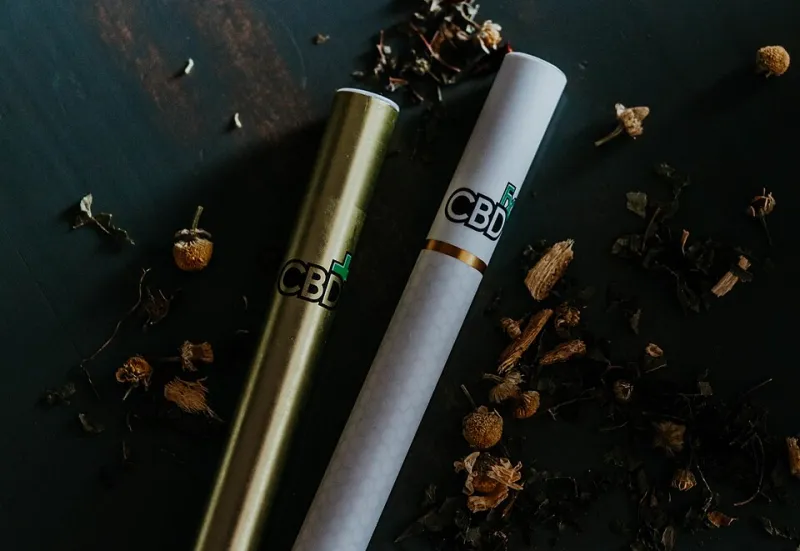
Photo: Evopure, CC BY 2.0, via Wikimedia Commons
Walk into a UK health shop in 2026 and the front of pack often leads with milligram strength. A clinical reading of the shelf asks a different question: what does the format do to dose precision, absorption, label transparency and day-to-day use? This scorecard compares the main CBD formats sold in the UK. It is a buyer education tool, not a recommendation for any medical condition.
How the scorecard works
Each format is judged on five practical criteria: dosing precision, absorption and consistency, label transparency, convenience, and red flags. The scores are qualitative. They reflect formulation logic and typical UK market practice, not laboratory testing of named brands. A product can score well on format and still fail on batch documentation.
| Format | Dosing precision | Absorption notes | Label transparency | Convenience | Red-flag risk |
|---|---|---|---|---|---|
| Oil | Moderate | Variable; food and carrier matter | Often good if mg/ml is clear | Moderate | High if no batch data |
| Capsule | High | Variable; fixed unit dose | Good if full composition shown | High | Moderate |
| Gummy | Low to moderate | Variable; sweets complicate dosing | Often weak on cannabinoid detail | High | High |
| Topical | Not systemic | Local use; minimal systemic absorption | Variable | High | Moderate |
Oils: precision depends on the dropper
CBD oils are the traditional UK format and can offer flexible dosing, but flexibility is not the same as precision. A dropper marked in millilitres still relies on the user drawing and releasing a consistent amount. The label should state CBD content per millilitre as well as per bottle; a bottle total alone is not enough. Carrier oil, bottle size and drop size all affect the practical dose. Oils can be well labelled, but they are also a common home for vague hemp extract claims. Ask for a batch-specific certificate of analysis and check that the cannabinoid profile, including THC content where relevant, is stated.
Capsules: the fixed-dose advantage
Capsules are the most straightforward format for repeatable dosing. Each capsule contains a defined amount, which reduces the risk of accidental variation. They are convenient for travel and for people who dislike the taste of oil. The clinical caveat is that a fixed dose is only useful if the label is honest. Check whether the capsule states CBD per capsule, not just total hemp extract, and whether it lists other cannabinoids. Absorption from capsules can still vary with food and formulation, so a capsule is not a guarantee of predictable blood levels. It is a guarantee of a more predictable unit dose.
Gummies: convenience with a dosing problem
Gummies are popular because they are familiar, portable and pleasant. From a clinical-minded buyer perspective, they are also the format most likely to blur the line between confectionery and supplement. Piece-to-piece variation, sugar content and the difficulty of dividing a sweet make precise dosing harder. Labels may emphasise total package CBD while giving little detail per sweet. In the UK, ingestible CBD products also sit within the Novel Foods framework, so buyers should look for clear batch information and check the product against the relevant FSA list where applicable. Gummies are not inherently poor products, but they demand more label scrutiny.
Topicals: a different job
Balms, creams and gels are not designed to deliver CBD into the bloodstream in the way ingested products are. They are used for local application, and systemic absorption is generally low, though not zero. That makes them a poor comparison with oils or capsules on milligram strength alone. For topicals, the relevant questions are different: is the product intended for broken skin, does it contain irritants, and is the CBD content clearly stated? Anyone with sensitive skin should patch test. A topical should not be judged by the same systemic dosing logic as an edible.
Red flags across every format
Be cautious of products that promise to treat, cure or prevent disease. CBD wellness products are not licensed medicines, and UK advertising rules restrict medicinal claims. Be wary of labels that give a bottle total without a per-dose figure, omit THC content, lack a batch number or cannot supply a certificate of analysis. Miracle language, fake medical endorsements and pressure selling are also warning signs. A high milligram number is not a substitute for a documented product.
Format before milligram
The practical lesson for UK buyers in 2026 is that format can matter as much as strength. A precise capsule with a transparent label may be easier to use consistently than a high-strength oil with an unmarked dropper. A well-documented oil may suit flexible dosing better than a gummy with vague per-piece content. The clinical-minded approach is to choose the format that matches the intended use, then demand batch-level transparency. If a product cannot answer basic questions about dose, composition and testing, the format is not the main problem.