When the Can Makes a Promise: UK CBD Drinks, Licensing and the Hangover Myth
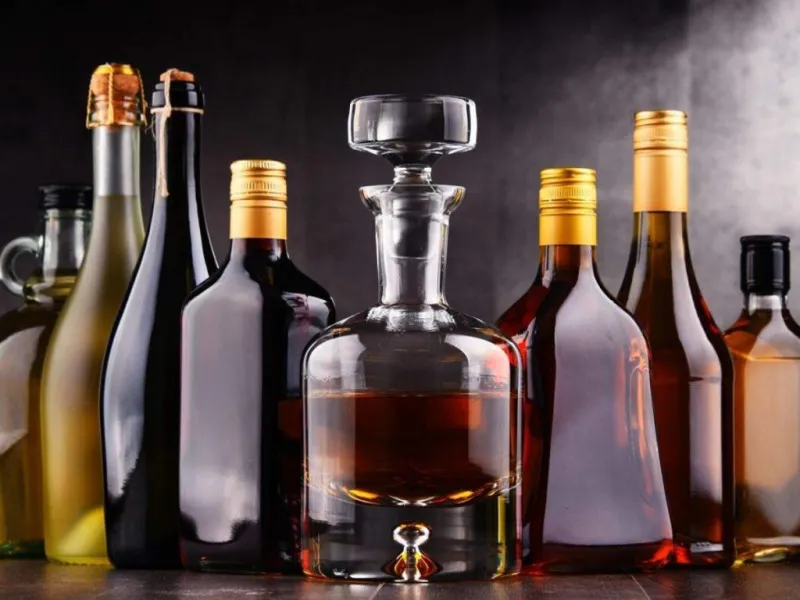
Photo: alcohol-free CBD canned drinks on UK supermarket shelf, via businesstoday.co.ke
The UK alcohol-free drinks aisle has become more crowded and more confident. Alongside de-alcoholised beers and botanical spirits, there are canned CBD sodas, CBD-infused alcohol-free beers and spirit-style bottles whose labels promise calm, clarity or a cleaner kind of night out. Some of these products are pleasant drinks. Some are marketed with claims that the evidence, and the law, do not support. The distinction matters because a drink that helps someone avoid alcohol is useful; a drink that implies it can cure a hangover or replace a prescribed treatment is making a different kind of promise.
The promise on the can
CBD drinks often borrow the language of wellness and the language of the bar. Words such as 'hangover cure', 'better buzz', 'anxiety-free' and 'clean high' appear in social media copy, retailer descriptions and sometimes on packaging. The attraction is obvious. Many adults want a social drink without alcohol, and many want a remedy for the after-effects of drinking. CBD is presented as a gentle, natural ingredient that can supply both. Our view is that this framing should be treated with caution. A product can be a good alcohol-free drink without being a therapeutic product, and a therapeutic claim needs evidence and regulatory cover.
What UK rules actually cover
CBD used as an ingredient in food and drink is treated as a novel food. That means it requires authorisation before it can be marketed. The Food Standards Agency maintains a public list of CBD products that may remain on the market while applications are assessed. Inclusion on that list is not authorisation. It is a holding position. A product that is not on the list, or that cannot show a credible route to authorisation, should prompt questions about its compliance.
Labels also need to be read carefully. In the UK, 'alcohol-free' generally means no more than 0.05% alcohol by volume, while 'de-alcoholised' can apply to products up to 0.5% ABV. Those are not the same claim. Licensing requirements for low-alcohol and alcohol-free products can depend on the product, the premises and how it is sold, so retailers and buyers should not assume that a 0.0% label removes every regulatory question.
Health claims are a separate issue. Only authorised nutrition and health claims can be used in food marketing. Claims to treat, cure or prevent disease are medicinal claims and require authorisation as a medicine. CBD is not an authorised medicine except for specific prescription products used in particular epilepsy syndromes. A canned drink is not in that category. 'Hangover cure' is therefore not a neutral lifestyle phrase; it is a claim about a health state and a remedy. 'Better buzz' is equally problematic if it implies an intoxicating or medicinal effect that the product has not been authorised to deliver.
Why hangover claims keep appearing
Hangover claims survive because they meet a real consumer desire. Alcohol-free drinks genuinely can help someone avoid a hangover by avoiding alcohol, but that is a benefit of not drinking, not proof that CBD treats hangover symptoms. Hydration, sleep, food and time do most of the work. When CBD is credited with the result, the product is borrowing the credibility of the alcohol-free choice and attaching it to an ingredient that has not been shown to cure hangovers.
There is also a commercial incentive. CBD drinks compete in a crowded market, and a functional promise helps a can stand out. Enforcement is not always immediate, and retailer copy can lag behind supplier claims. That does not make the claim sound. For a consumer, the practical response is to treat therapeutic language as a warning sign rather than a selling point.
A useful social option, not a therapeutic shortcut
An alcohol-free CBD drink can be a genuinely useful social option. It can provide ritual, taste and a reason to hold something other than a pint. For someone reducing alcohol, that can matter. But it is not a treatment for alcohol use disorder, and it is not a safe way to manage alcohol withdrawal. If you are dependent on alcohol, stopping suddenly can be dangerous. Seek NHS support and clinical advice rather than substituting a canned drink for proper care.
CBD content in drinks is often modest and variable, and the effect of a low dose in a beverage is not comparable to a carefully measured oil. Keep expectations modest. If you take prescription medicines, check with a pharmacist before adding CBD, because interactions are possible. Pregnancy, breastfeeding and under-18 use are not appropriate self-experiments.
Questions to ask before buying
Ask whether the product appears on the FSA public list and whether the retailer can explain what that listing means. Ask how much CBD is stated per container and per serving, and whether batch testing is available. Ask whether THC is declared. Check the ABV wording: is it alcohol-free at 0.05% or below, or de-alcoholised at up to 0.5%? Look for authorised health claims rather than 'cures', 'treats' or 'prevents'. Consider sugar content, other botanicals and whether the drink is being sold as a supplement or a beverage. If a product promises a hangover cure, a better buzz or an anxiety-free night, ask what evidence supports that claim and whether it is permitted.
The Hemp Clinic view
A good alcohol-free drink should stand as a drink. CBD should not be used to make an ordinary beverage sound like a medicine. The most defensible products are transparent about dose, batch testing, novel food status and alcohol content, and they avoid therapeutic promises. The most useful consumer choice is a modest one: enjoy the drink if you enjoy it, do not expect it to cure a hangover, and do not let a clever can delay a conversation with your GP.