The Mouth as First Contact: A 2026 UK Clinical Briefing on CBD Formats and Oral Health
The mouth is often treated as a passageway rather than a destination. For CBD products, however, it is the first biological interface: the tissue that meets oils, capsules, gummies, sprays and vapour before anything reaches the bloodstream. That makes oral health a practical, if overlooked, part of responsible CBD use in the UK. This briefing looks at the evidence and the gaps, with a clinical eye on saliva, product format and the dental appointment.
Why oral health deserves separate attention
CBD is not a licensed medicine in the UK, and it is not a treatment for gum disease, tooth decay or dry mouth. Any discussion of oral health should begin there. The relevant question is not whether CBD can improve dental health, but whether the way people use CBD creates avoidable risks or complicates existing oral care.
Saliva is central to that question. It buffers acids, washes away food debris, delivers minerals to enamel and helps control oral bacteria. When saliva flow falls, the risk of caries, gum inflammation, oral candidiasis and discomfort can rise. A dry mouth is therefore not a trivial side issue. It is a clinical sign worth investigating, particularly in people taking regular medication.
Dry mouth: common, multifactorial and rarely about CBD alone
Xerostomia, the sensation of dry mouth, has many causes. Common medicines in the UK include antidepressants, antihistamines, diuretics, beta-blockers and some pain relievers. Medical conditions such as diabetes, Sjögren syndrome and previous radiotherapy to the head and neck can also reduce salivary flow. Ageing and mouth breathing may contribute.
Where does CBD fit? Human evidence that CBD causes persistent dry mouth is limited. Some consumers report transient dryness after use, and preclinical work suggests cannabinoid signalling can influence salivary secretion, but this has not translated into a clear clinical picture. Product factors may matter more than the molecule: alcohol-containing tinctures can sting or dry the mucosa, vaping exposes oral tissue to heat and humectants, and frequent small doses may keep the mouth in contact with flavourings and carriers.
If dryness persists for more than a few days, or is accompanied by difficulty swallowing, cracked lips, oral ulcers or a coated tongue, it deserves assessment. A dentist, pharmacist or GP can review medicines and suggest saliva substitutes or other measures. CBD should not be used to self-treat persistent dry mouth.
Format matters more than the marketing
Oils and tinctures
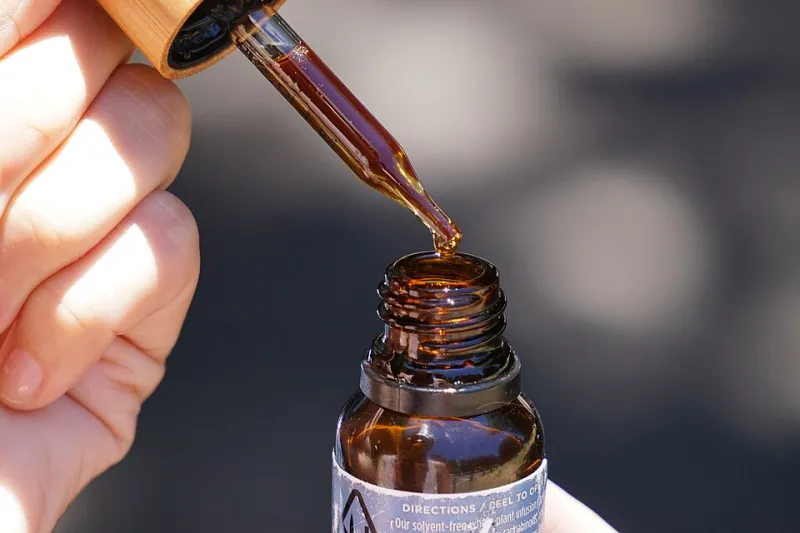
Sublingual oils are held under the tongue, which limits direct exposure to tooth enamel but not to the gums and oral mucosa. Plain carrier oils are not cariogenic. Flavoured products may contain sweeteners or acidity regulators, and alcohol-based tinctures can be drying or irritant. Dosing accuracy matters: use the supplied dropper and avoid letting it touch the mouth or tongue before reinserting it into the bottle.
Gummies and chewables
This is where oral-health advice becomes most concrete. Many gummies rely on sugar or glucose syrup for texture and taste, and some contain citric acid. Sticky, sugar-containing products eaten frequently are more relevant to caries risk than the total amount consumed in one sitting. Sugar-free versions are preferable for teeth, but they can still be acidic. Chewing also increases the time the product is in contact with teeth and gums.
Capsules and softgels
Capsules are generally neutral for teeth, but they require water and a coordinated swallow. People with dry mouth or mild dysphagia may find capsules difficult, and a capsule that feels stuck can cause anxiety and further dryness. Do not force a dose with too little water. If swallowing is consistently difficult, speak to a pharmacist. Capsule shells can also become tacky if stored in a humid bathroom cabinet, which is a product-quality issue rather than a dental one.
Vaping and oral mucosa
Inhaled CBD products expose the mouth to aerosolised propylene glycol, glycerol, flavourings and heat. These can dry the oral mucosa and may irritate gums. From an oral-health perspective, vaping is not a neutral delivery method, and UK consumers should be cautious about unregulated products. CBD vaping is not recommended as a route for anyone with existing oral irritation or dry mouth.
The bathroom-cabinet problem
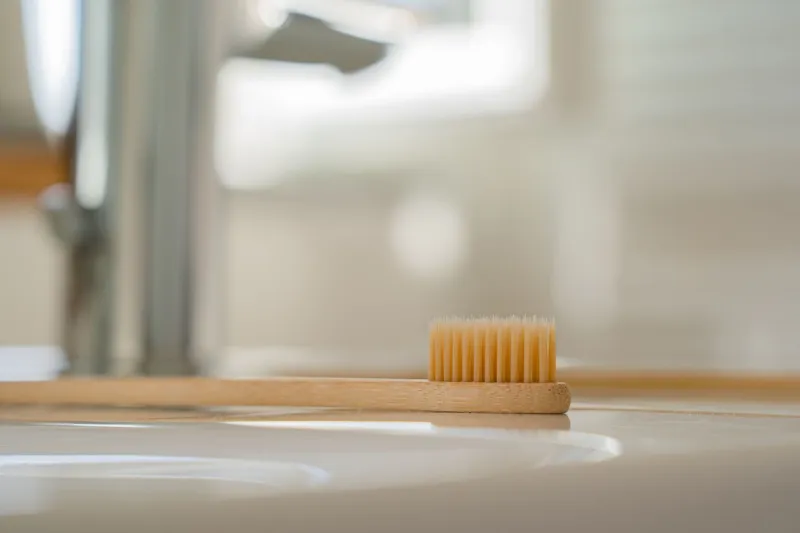
CBD oil kept beside the toothbrush is convenient but not ideal. Bathrooms are warm and humid, and repeated opening exposes oil to light and air. More importantly, a dropper that has touched the mouth can introduce contamination back into the bottle. Store products in a cool, dry place away from direct sunlight, keep the dropper clean and do not share bottles. Check the label for storage instructions and expiry dates. These are not dental hazards in themselves, but they affect product quality and dosing consistency.
What to tell your dentist
A brief, factual disclosure is enough. Mention the product type, approximate daily dose, how often you use it, the reason you started and any other medicines or supplements. Note whether you have noticed dry mouth, bleeding gums, easy bruising or unusual fatigue. CBD can interact with some medicines, including warfarin and certain anti-epileptics, and dentists may need to consider bleeding risk or interactions before procedures. Do not stop a prescribed medicine without advice.
As of 2026, CBD sold as a food supplement in the UK should appear on the Food Standards Agency novel food register, but registration is not a dental endorsement. Medicinal cannabis remains prescription-only and is not the same as high-street CBD. A dentist does not need to approve CBD use, but an accurate medication history helps them provide safer care.
A practical checklist
- Review whether CBD is still needed and keep the dose stable rather than escalating.
- Choose simple formats and favour sugar-free options where available; do not graze on gummies through the day.
- Drink water, use fluoride toothpaste, spit rather than rinse after brushing and keep routine dental appointments.
- For dry mouth, ask a pharmacist or dentist about sugar-free gum, saliva substitutes or alcohol-free mouthwash.
- Store oils away from bathroom humidity and avoid contaminating droppers.
- Disclose CBD at dental and medical appointments, including dose and format.
- Seek advice for persistent dry mouth, white patches, ulcers, bleeding gums, loose teeth or swallowing difficulty.
The bottom line
CBD has no established role in preventing or treating oral disease. The sensible approach is ordinary oral hygiene, cautious product choice and honest conversation with health professionals. The mouth may be the first contact, but it should not be the forgotten one.