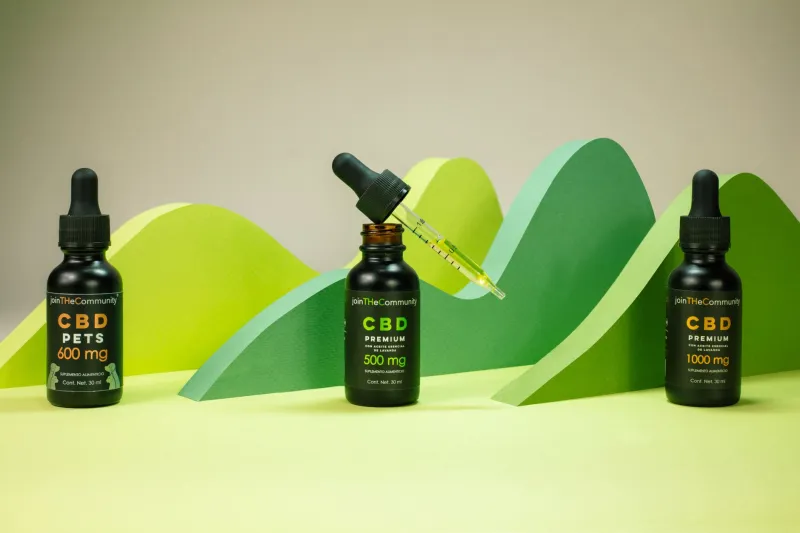
Slow Release, Uncertain Reach: A Clinical Reading of CBD Patches for UK Shoppers
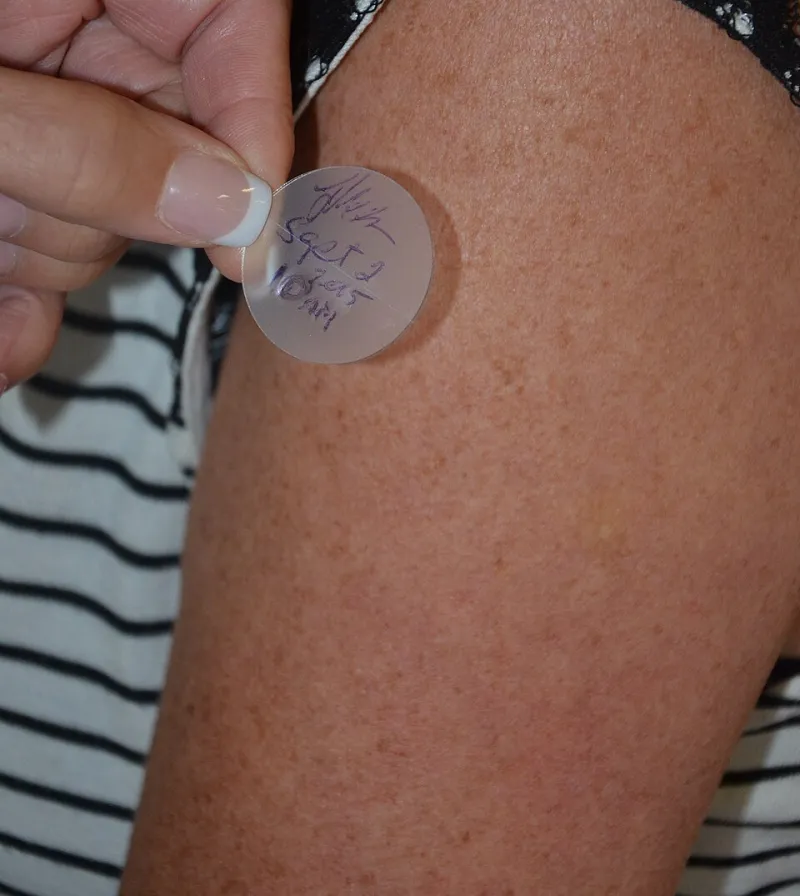
Photo: British Columbia Institute of Technology (BCIT). Download this book for free at http://open.bccampus.ca, CC BY 4.0, via Wikimedia Commons
A patch carries an appealing promise: no dropper, no taste, no arithmetic at the kitchen table. Place it on clean skin and a measured dose is said to arrive quietly over hours. For UK shoppers who find oils inconvenient or capsules inconsistent, that proposition has obvious pull. Yet convenience is not the same as evidence, and the clinical reading of CBD patches in 2026 is more cautious than the shelf suggests. This is an appraisal of a format, not an endorsement of a product.
Why the wearable dose appeals
Patches are marketed around three ideas: discretion, adherence and stability. A patch is less conspicuous than a bottle in a work bag, easier to remember than a midday capsule, and often described as providing a plateau rather than a peak. For shift workers, travellers and anyone who dislikes the taste of an oil, those are genuine practical advantages. The question is whether the delivery technology reliably delivers on them.
What the skin will and will not let through
Transdermal delivery is not a matter of pressing a cannabinoid onto the arm and hoping. The stratum corneum is a formidable barrier. For a molecule to cross it in useful quantities, medicinal chemistry generally looks for a molecular weight below roughly 500 daltons, a balanced balance of fat and water solubility, and a potent compound that works at low doses. CBD sits at about 314 daltons, which is favourable on size, but it is highly lipophilic and poorly water-soluble. That combination makes skin permeation possible with formulation help, yet variable without it.
The patch itself matters. Matrix systems disperse the active ingredient in an adhesive; reservoir systems hold it in a compartment with a rate-controlling membrane. Permeation enhancers, patch size, skin site, hydration, temperature and even hair follicle density all influence how much crosses. A patch can therefore deliver some CBD, but the word deliverable is not the same as the word measured. Most consumer products publish no human pharmacokinetic data at all.
The claim of steadiness
The phrase steady release is often presented as a property of the patch rather than a finding from a study. There are few independent human trials of CBD patches, and those that exist tend to be small, short and conducted with a single formulation. Results have generally shown low plasma concentrations and considerable person-to-person variation. Adhesion failure, skin irritation and inconsistent wear time add further noise. Without a standard method for comparing the milligram figure on the packet with the amount actually absorbed, claims of a twenty-four-hour plateau should be read as a design intention rather than a demonstrated clinical fact. Many patches are worn for eight to twelve hours, not a full day, and instructions vary widely between products.
Wear time, adhesion and skin tolerability
Practical instructions deserve close reading. Most patches should be applied to clean, dry, unbroken skin, rotated between sites, and removed at the stated interval. Cutting a patch is rarely advisable: it can disrupt the rate-controlling structure and make the dose unpredictable. Sweat, heat and friction reduce adhesion, and a patch that has lifted at the edges is not delivering what the label describes. Mild redness on removal is common; persistent irritation, blistering or itching should prompt removal and a conversation with a pharmacist. Anyone with sensitive skin should consider a small test patch before committing to a full wear period.
Label arithmetic and regulatory positioning
A patch label may state the total CBD in the patch, the amount released per hour, or simply a milligram figure with no route specification. These are not interchangeable. The delivered dose is the number that matters clinically, and it is often the least visible number on the pack. UK shoppers should look for a full ingredient list, batch or lot number, expiry date and a UK or EU manufacturer address. Vague claims about reservoir technology or micro-dosing are not substitutes for that information.
Regulatory status also requires care. In the UK, the Novel Food regime is built around ingestion, so a patch is not automatically a food supplement in the way an oil or capsule is. Where a patch makes medicinal claims, it may be treated as a medicine and require the corresponding authorisation; where it makes cosmetic claims, it sits under the cosmetics regime. Many products occupy an awkward middle ground, and the labelling does not always make the position clear. A patch marketed with disease claims and no authorisation is a warning sign, not a shortcut.
How patches compare with better-documented formats
Oils remain the most studied consumer format in the UK, though absorption is still variable and depends on whether the oil is swallowed or held under the tongue. Capsules offer a slower onset and a longer duration than oils, with gastrointestinal absorption that is itself inconsistent. Topicals are intended primarily for local effect and generally produce low systemic exposure. Patches aim for systemic delivery through the skin, bypassing first-pass metabolism, but they do so with the least published human data of the four. In other words, the format with the most elegant marketing story currently has the thinnest clinical trail.
If you take prescribed medicines
Bypassing first-pass metabolism is not a neutral feature. It can increase systemic exposure relative to an oral dose, and it makes the interaction profile harder to predict when the delivered dose is unknown. CBD is a recognised inhibitor of several cytochrome P450 enzymes, including CYP2C19, CYP2C9 and CYP3A4, and has been associated with altered levels of medicines such as clobazam, valproate, warfarin and some immunosuppressants. A patch does not remove that risk; it simply moves the uncertainty. Anyone taking prescribed medication should speak to their GP or pharmacist before adding a transdermal CBD product, should not alter prescribed treatment on the basis of a patch, and should keep a simple record of wear time and any new symptoms.
A buyer's checklist
- Look for the delivered dose, not only the total milligram figure.
- Check the batch number, expiry date and manufacturer contact details.
- Be cautious of medicinal claims on an unauthorised product.
- Follow the stated wear time and rotate application sites.
- Do not cut patches or combine formats without advice.
- Test on a small area if your skin is sensitive.
- Tell your pharmacist about any prescribed medicines.
The reasonable conclusion
CBD patches are a plausible delivery format with a real pharmacological rationale, but in the UK they remain under-evidenced, unevenly labelled and poorly standardised. They are not a substitute for prescribed care, and they should not be bought on the strength of a steady-release claim alone. A cautious shopper treats the patch as an experiment to be recorded, not a certainty to be trusted.
This article is for general information and is not medical advice. Readers with health conditions or prescribed medicines should consult a qualified healthcare professional.